Complete Installation Guide for Outdoor Cable Guides
Learn the essential steps for properly installing plastic cable guides in outdoor environments, ensuring longevity and optimal performance.
Read More →Expert insights and practical guides for optimal cable management
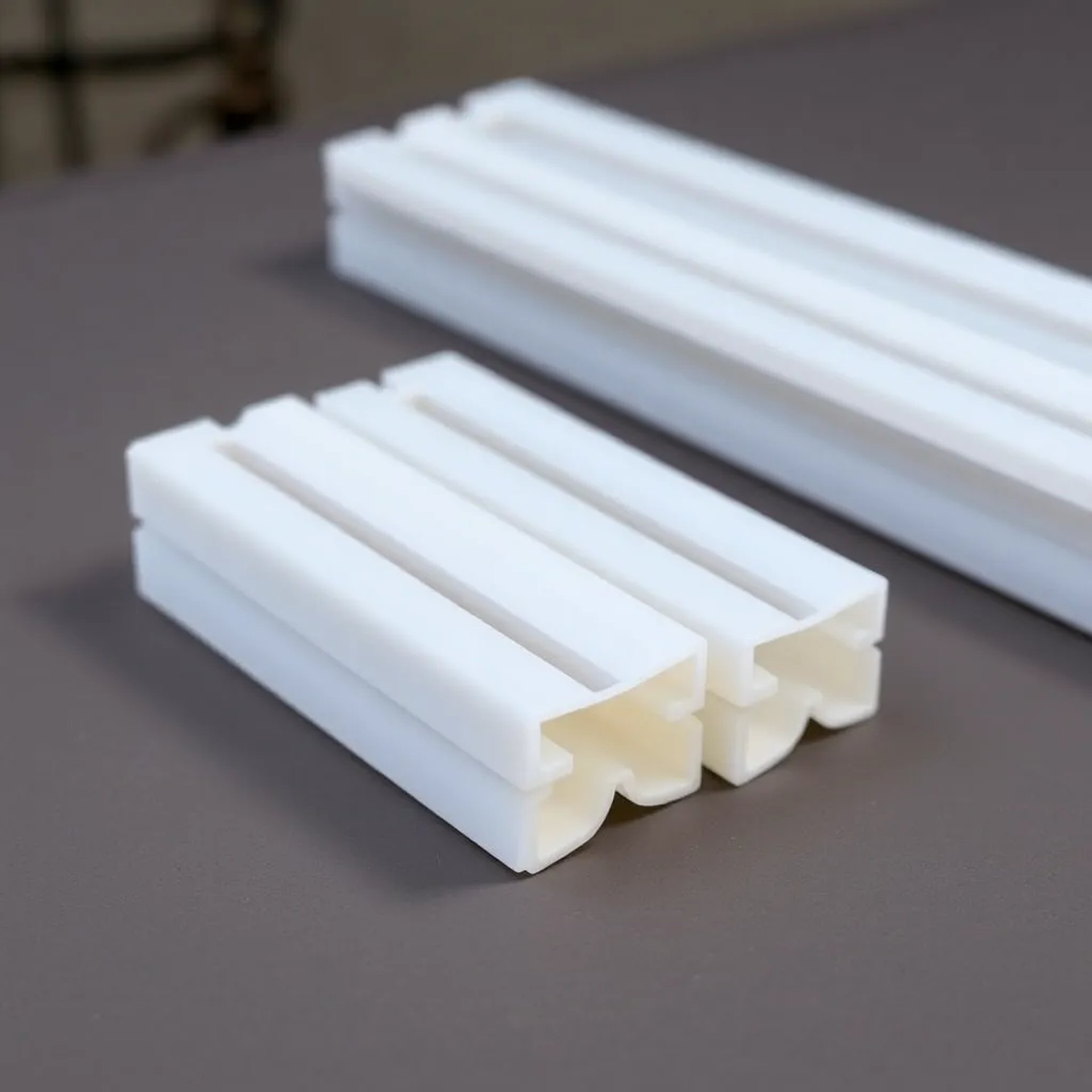
Learn the essential steps for properly installing plastic cable guides in outdoor environments, ensuring longevity and optimal performance.
Read More →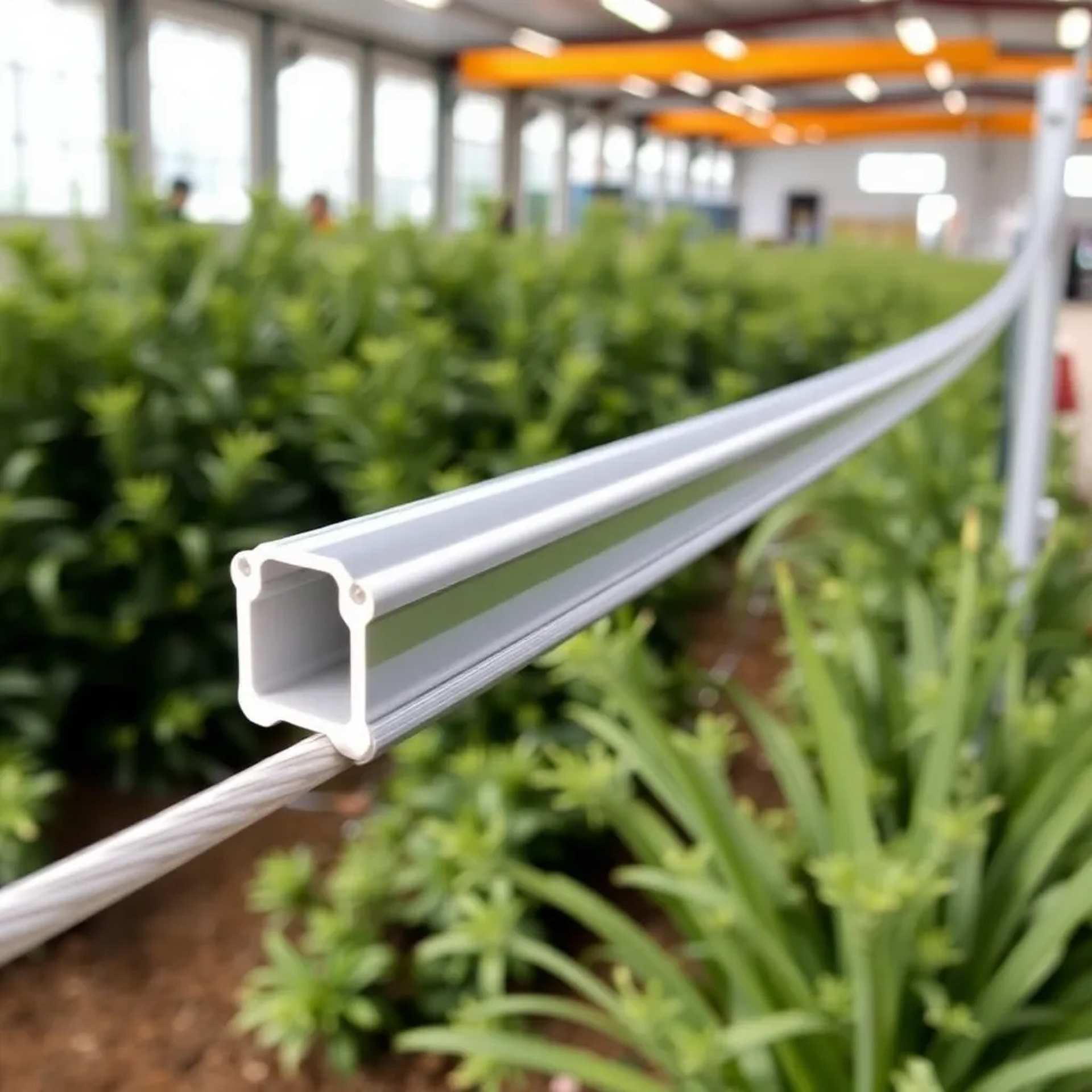
A comprehensive technical overview of different plastic materials used in cable guide manufacturing and their load-bearing characteristics.
Read More →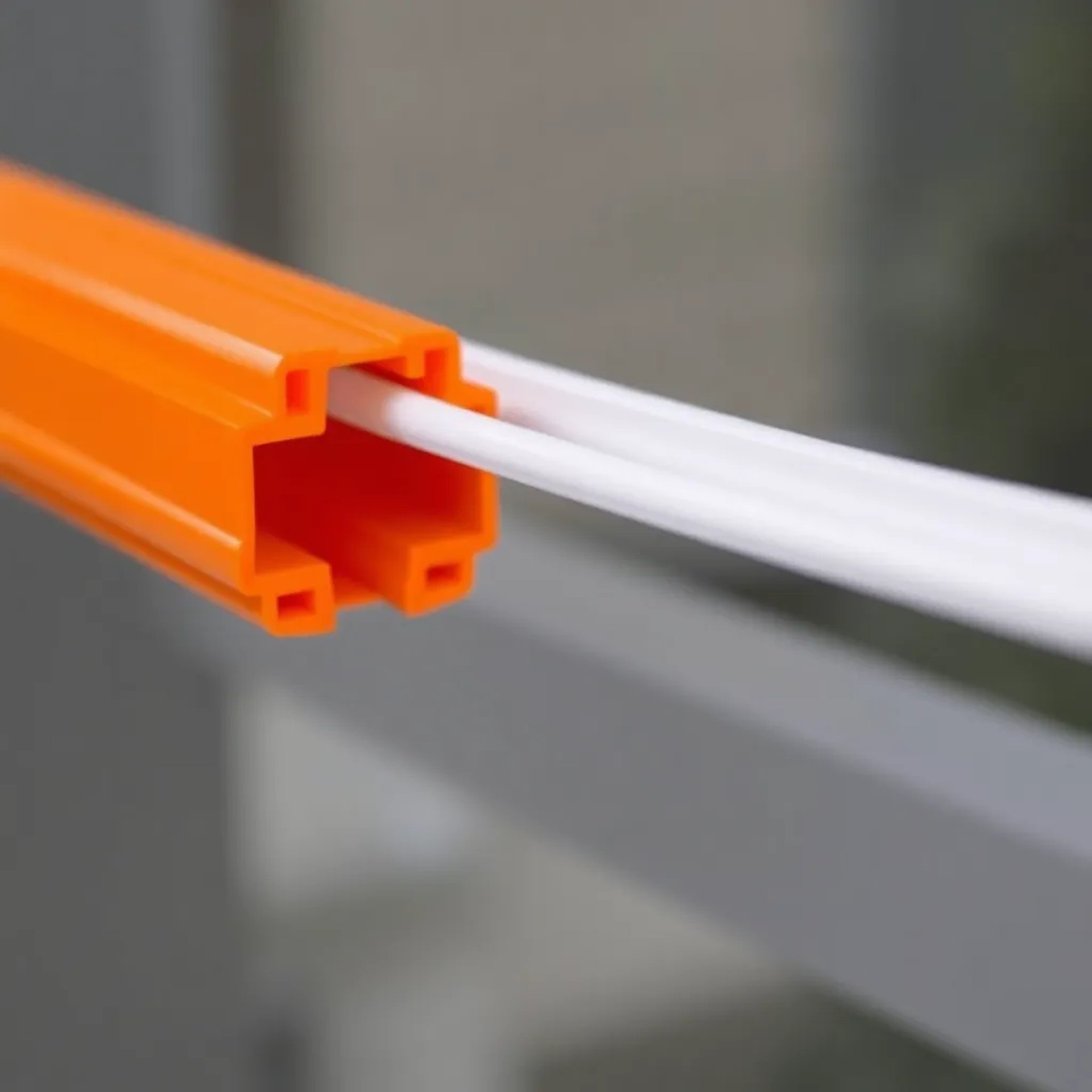
Best practices for maintaining cable guide systems in Malaysia's humid tropical environment to maximize service life.
Read More →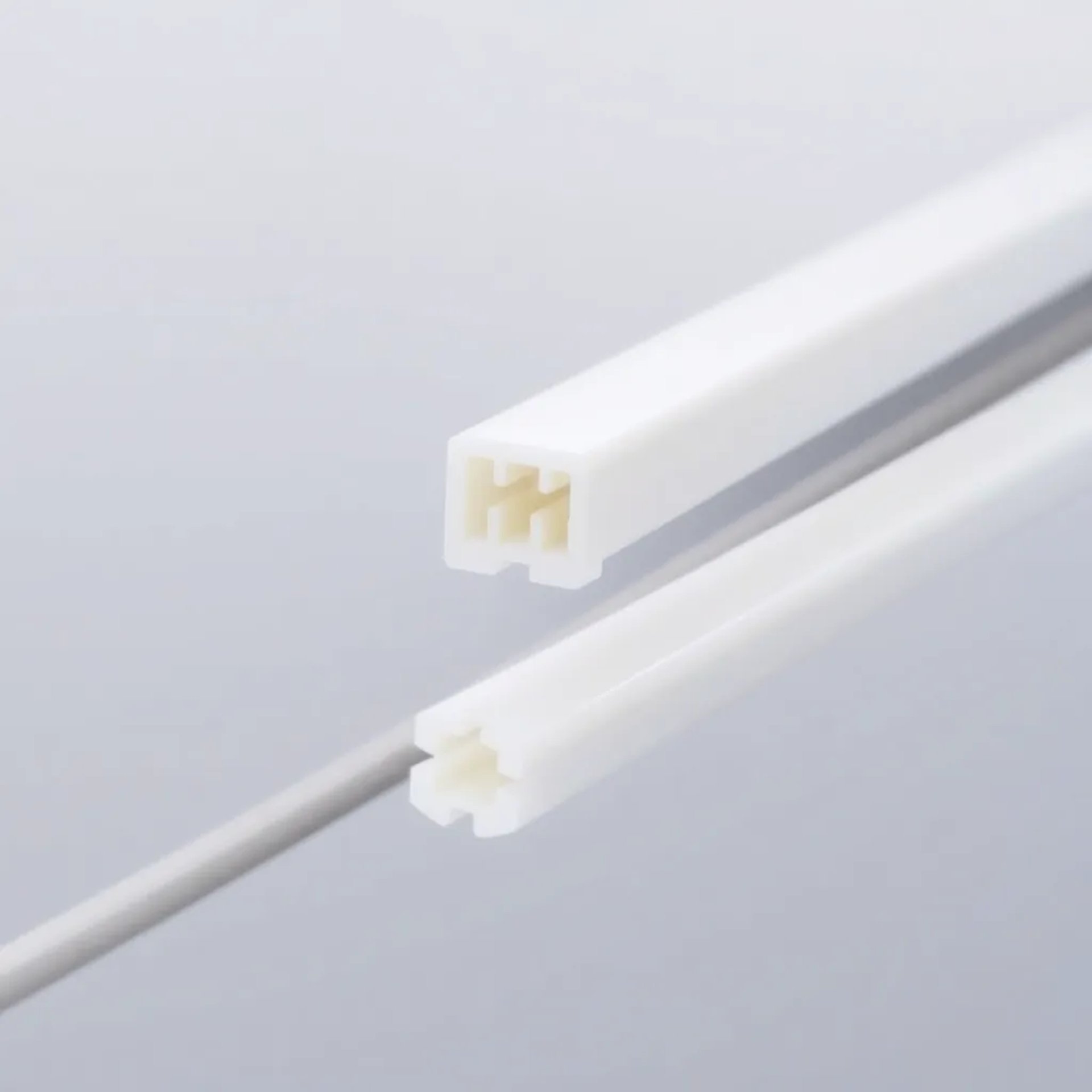
Explore emerging trends in outdoor cable management, including smart materials and sustainable manufacturing practices.
Read More →
Critical safety protocols and best practices when installing cable guides in commercial and industrial outdoor settings.
Read More →
Scientific analysis of UV stabilization methods and their effectiveness in prolonging the lifespan of outdoor plastic products.
Read More →
Installing outdoor cable guides correctly is crucial for ensuring long-term performance and safety. This comprehensive guide walks you through each step of the installation process, from site preparation to final testing.
Before beginning installation, conduct a thorough site assessment. Consider environmental factors such as exposure to direct sunlight, rainfall patterns, and potential physical impacts. Measure cable runs accurately and select appropriate guide models based on load requirements.
Essential tools include: measuring tape, level, drill with appropriate bits, screwdrivers, cable ties, mounting brackets, and safety equipment. Always use corrosion-resistant fasteners suitable for outdoor use.
1. Mark mounting positions at regular intervals (typically 500-800mm depending on cable weight)
2. Ensure mounting surface is clean and structurally sound
3. Install mounting brackets using appropriate fasteners
4. Attach cable guides to brackets, ensuring proper alignment
5. Route cables through guides, maintaining appropriate bend radius
6. Secure cables with appropriate retention methods
7. Conduct final inspection and testing
For complex installations or custom requirements, contact our technical support team at +60 51 4634 2800 for expert guidance.
Selecting the right cable guide requires understanding material properties and load capacities. Different plastic formulations offer varying levels of strength, flexibility, and environmental resistance.
HDPE (High-Density Polyethylene): Excellent chemical resistance and impact strength, ideal for heavy-duty applications. UV-stabilized HDPE maintains properties even under intense tropical sunlight.
Polypropylene: Offers superior fatigue resistance and maintains flexibility across wide temperature ranges. Reinforced variants provide enhanced load capacity.
PVC (Polyvinyl Chloride): Cost-effective option with good weather resistance, suitable for residential applications with moderate load requirements.
Load capacity depends on multiple factors: material type, guide dimensions, mounting interval, and cable weight distribution. Our engineering team can provide detailed load calculations for specific applications.
For technical specifications and material datasheets, visit our products page or contact our engineering department.
Malaysia's tropical climate presents unique challenges for outdoor cable management systems. Regular maintenance ensures optimal performance and extends service life.
Before monsoon season, inspect all mounting points for signs of loosening. Check drainage paths to prevent water accumulation. Tighten any loose fasteners and replace damaged components.
• Visual inspection for cracks, discoloration, or deformation
• Check mounting bracket integrity
• Verify cable retention remains secure
• Clean accumulated debris from guide channels
• Inspect for biological growth (algae, moss)
• Test cable movement within guides
Use mild detergent and water for cleaning. Avoid harsh chemicals that may degrade plastic materials. Rinse thoroughly and allow to dry completely.
Schedule professional maintenance inspections annually for critical installations.